

AI6 min
AI websites aren't enough: why a prompt doesn't make an identity
A website in five minutes is no longer a feat. It's just that you can tell with most of them. Why character makes the difference in the end.
Read more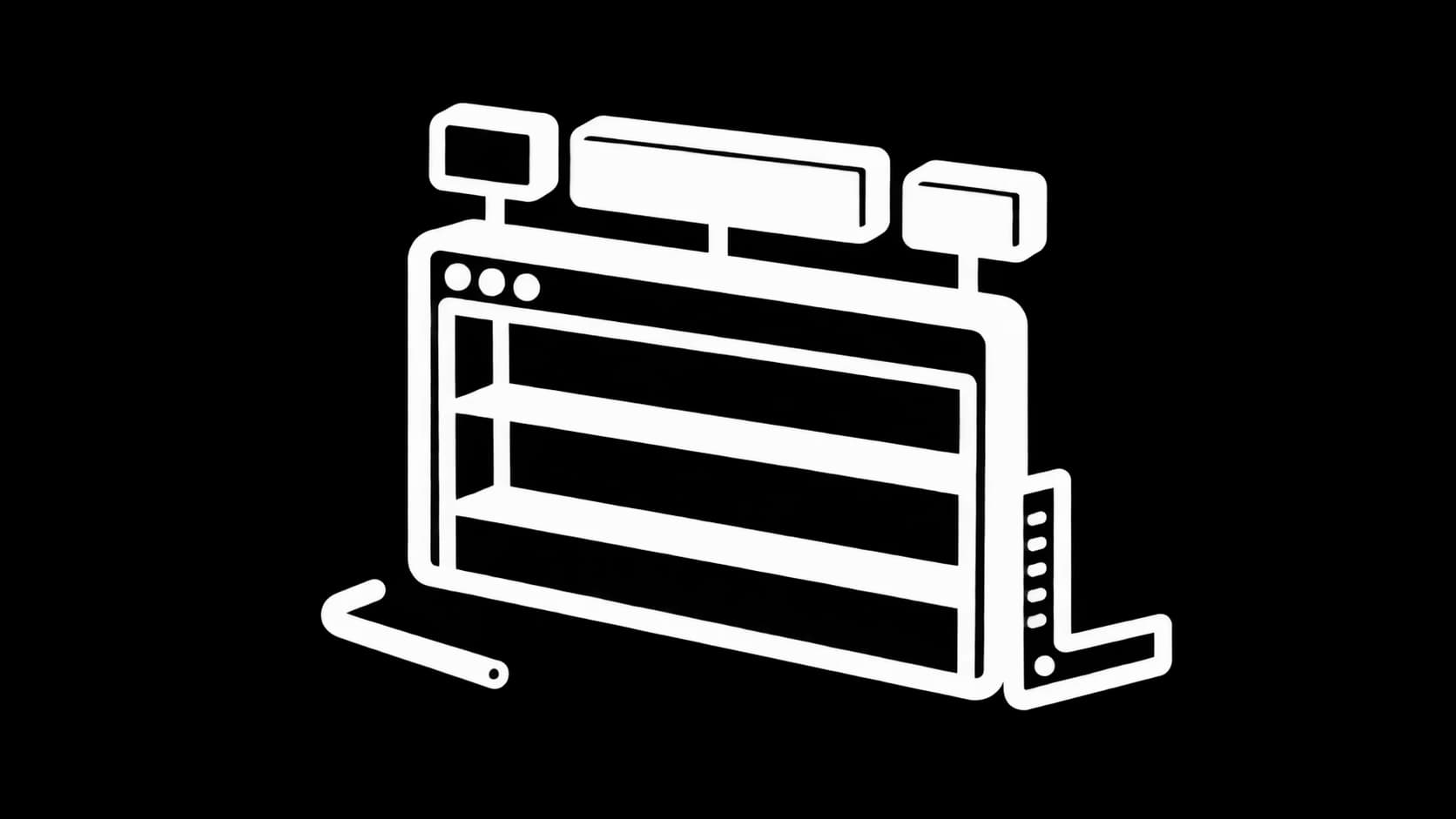
A shelf from the catalogue is assembled in two hours and costs little. In your first flat it's exactly right. But at some point it no longer fits: the alcove is crooked, the books are too heavy, and there's no part for the one shelf board you really need. It's the same with website builders. They're a good start and a poor permanent state as soon as a business grows.
We mean systems like Wix, Squarespace, Jimdo or IONOS MyWebsite, plus WordPress combined with a page builder like Elementor or Divi. For shops there's Shopify, and for projects with more design freedom, Webflow.
They all work on the same principle. There are ready-made components, a template and a grid you slot them into. You don't build, you assemble. That's exactly what makes them fast, and exactly what becomes the limit later on.
This isn't criticism of the providers. A shelf from the catalogue isn't bad furniture either. It's built for a specific purpose, and outside that purpose it becomes uncomfortable.
We recommend it ourselves when the situation calls for it. A website builder is usually enough when:
A quick site that's online beats a perfect site that doesn't exist. If you're just starting out, you should put your money into customers rather than technology.
The problem rarely shows up on day one. It shows up when the business moves forward and the website is supposed to grow with it.
Typical points at which we get called in:
Each individual point can be solved somehow in the builder. It's just that the solution is almost always: one more add-on, one more subscription, one more workaround.
That's how a stack grows. One add-on for forms, one for bookings, one for translations, one for the area the system doesn't provide for. Each of them costs money every month, needs to be kept up to date and can cause trouble after an update.
Then there's the time. What would be a field in the admin area of a custom-built site is often an hour of clicking in the builder, every single time. These hours don't show up on any invoice and are still the bigger cost.
That's why the comparison is never just the price on day one. What's interesting is what the site costs over three years, including the work it causes every month.
With closed systems, the site lives on the provider's platform and only works there. You can usually get your text and images out, but not what was built. Moving can mean starting from scratch.
On top of that, the rules don't belong to you. Prices change, features are rebuilt or discontinued, and a plan change can decide whether a feature keeps running. As long as the site is small, that's manageable. When enquiries come in through it, it's a risk.
With a custom-built site, what was created belongs to you. The provider behind it is replaceable, and you decide when something changes.
Modern website builders aren't inherently hard to find. Titles, descriptions and URLs can be maintained everywhere, and a clean builder site does better than a neglected custom one.
The difference lies in what goes beyond that. How fast the site really loads when five add-ons are loaded along with it. How clean the structure is when every page was clicked together by hand. How easy it is to create a dedicated, good subpage for each service and each location.
That's exactly what visibility depends on, and exactly what gets more tedious rather than easier in a builder as the number of pages grows. More on this in the article about why your competitor with the worse website can rank ahead of you.
A custom-built site reverses the order. It's not the template that dictates how the business is presented, but the business that dictates how the site is built.
In practice, that means:
The effort at the start is higher, that's the honest part. In return, the site gets cheaper rather than more expensive with every requirement, because it was built to be extended.
Switching isn't worth it because a site is old. It's worth it when the site gets in the way. We usually hear these sentences shortly before:
If two or three of these apply, the step usually already pays off. Not because the new would be prettier, but because the old costs money and time every month.
We first ask what should be added over the next two years. That decides how much technology is really needed. Sometimes the result is that the builder is enough for now, and then we say so.
If a custom solution makes sense, we build it so that you can maintain it yourselves. Content belongs in the hands of those who know it, not in a ticketing system.
If you're currently stuck with a website builder and don't know whether switching is worth it, send us the link. You'll get an honest assessment, even if it's that you should stay for now.
A website in five minutes is no longer a feat. It's just that you can tell with most of them. Why character makes the difference in the end.
Read more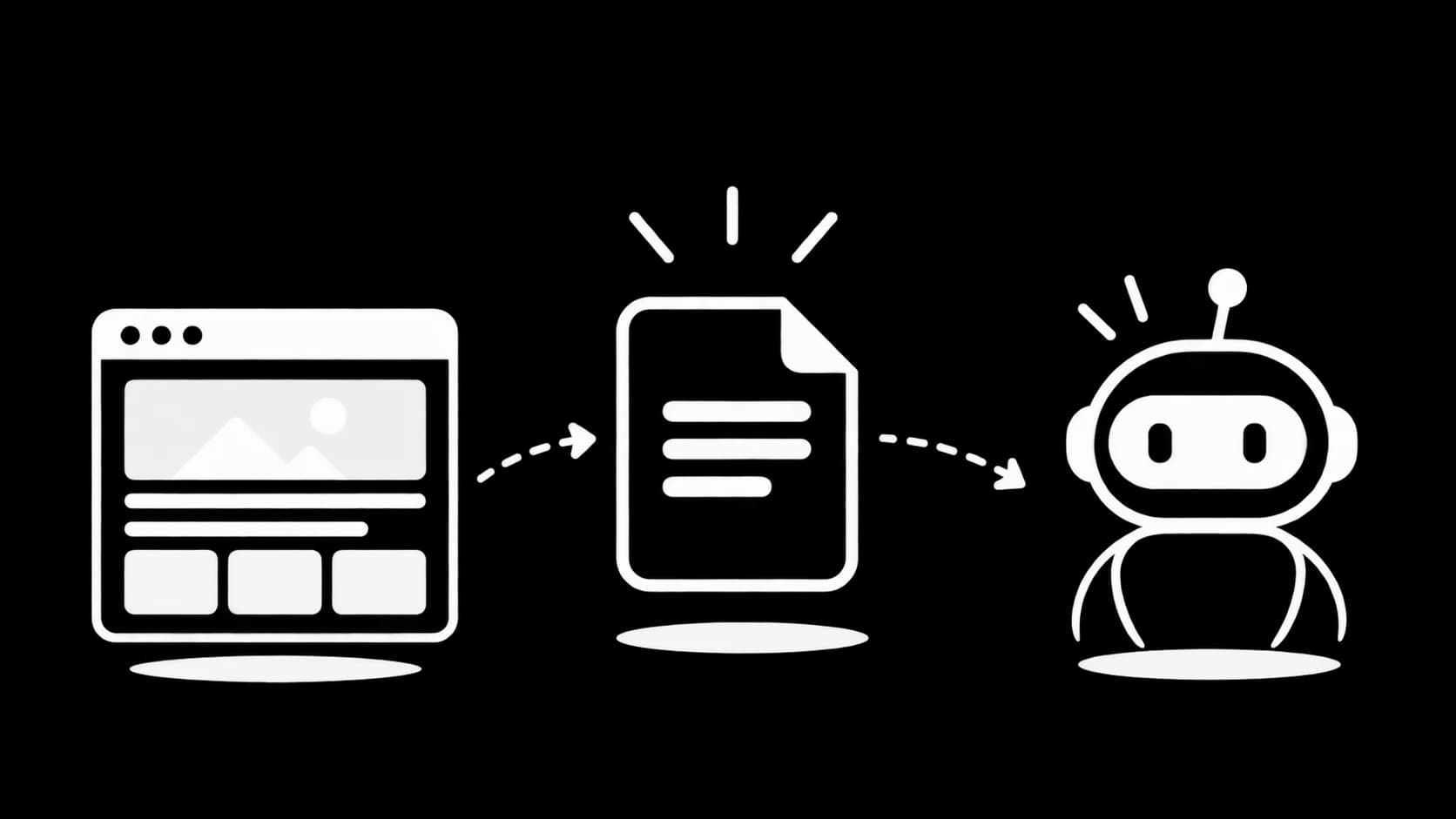
The llms.txt is popping up everywhere right now, often together with big promises. We created one ourselves and explain what's behind it, what it can do and where you shouldn't expect too much.
Read more
Since August 2026, the transparency obligations of the EU AI Act apply. Sounds like legal clauses and panic, but for most businesses it's very manageable. We explain what matters.
Read more