Skip to content
HWM Agentur
  • AI
  • Web Design
  • Strategy

AI websites aren't enough: why a prompt doesn't make an identity

Sven Heynhold
6 min read
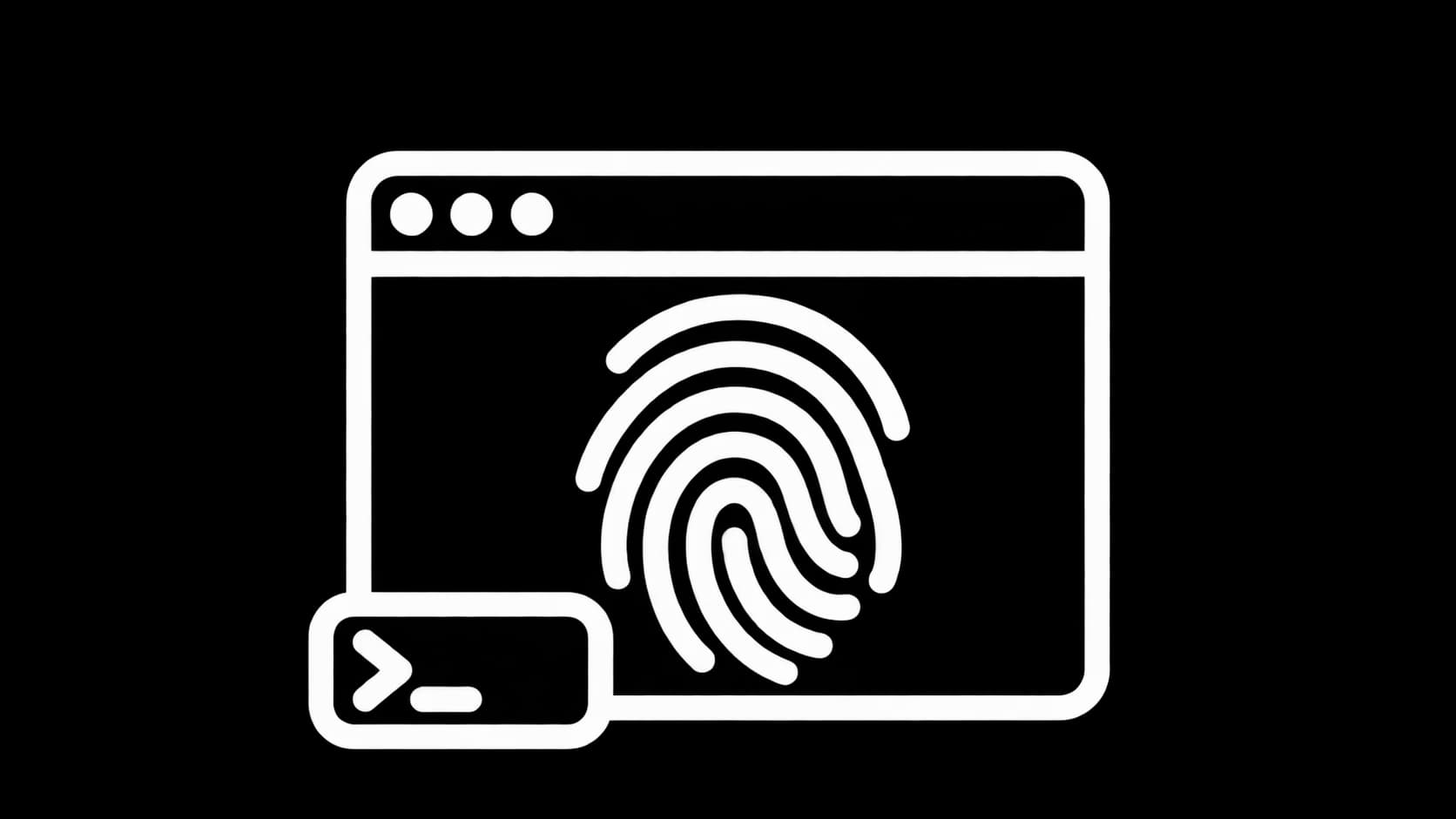
White illustration of a website window with a fingerprint and a prompt input as a symbol of individual identity

Today a website can be created in a few minutes. You type a few sentences into a box, wait a moment, and end up with a page with images, headings and a contact form. That's impressive, and at the same time it's the reason why a great many sites online feel very similar right now. Here we write down why that is and why a website needs more than a good prompt.

A prompt knows nothing about your business

A prompt is a description. It tells the machine roughly what should be created: a site for a trades business, modern, with a contact section. What it can't say is everything that actually defines your business.

How you talk to customers. Why you went independent back then. Which jobs you turn down and why. Which sentence always comes up in an initial call. It's exactly these things that set a website apart from a template, and exactly these that aren't in any prompt.

A good website is therefore not a writing assignment, but the result of listening. Only once you understand how a business ticks do you know which structure, which images and which tone fit it.

Why AI websites almost all have the same look

Models learn from what already exists. That's why they return the average: the same layout, the same rounded cards, the same three benefits side by side, the same phrases. The result is rarely bad, but it's never distinctive either.

You can really notice this right now. More and more sites are appearing that look as if they came from the same workshop. If you look at five of them in a row, you can't match any of them to a brand afterwards.

For a business, that's a real problem. A website is supposed to make sure you stick in people's minds. If it looks like all the others, it doesn't do that.

You don't see the difference right away, but you feel it

As a layperson, you often can't spot a generated site at first glance. The colours fit, the spacing is right, technically everything works. Yet when you scroll through, you're left with a feeling that something is missing.

That comes from the details. Images that don't show the real team. Texts that apply to everyone and therefore to no one. A process that describes how projects run in general instead of how they run at this particular business.

None of these details stands out on its own. Together they create the impression that someone wanted to be done quickly. And that impression rubs off on the business behind it.

Your website should show you, not a pattern

A website has a very concrete job: it should represent a business to the outside world, even when nobody is standing next to it to explain what makes it special.

That means it has to show what you stand for and where you want to go. It has to convey the attitude you work with. A site that doesn't fulfil this job is no gain, even if it looks pretty and was finished quickly.

That's why it matters to us that a client leaves the project feeling that the site feels like them and their business. Not like us, not like a template. That's the standard by which we measure a website.

Trust comes from real details

The reason isn't just aesthetic. A website is mainly about building trust, and trust comes from things that are demonstrably real.

These include, for example:

  • Photos that really show the business and the people in it
  • Texts that sound like a conversation with you, not like a brochure
  • Projects and numbers that can be verified
  • Reviews from customers who actually exist
  • A process that describes how things work with you

People who get this impression are more likely to get in touch. Visitors become prospects, prospects become customers. That's the real purpose of the site, and it depends on exactly these details.

AI is a tool, not a substitute for creativity

To avoid a false impression: we use AI every day. For research, for routine, for all the steps that take time and make no difference. It makes us faster and therefore more competitive.

What it can't do is have an idea nobody has had before. It doesn't know a brand, it has no feel for a space, it wasn't part of any conversation. It implements what someone specifies, and the quality of that specification decides the result.

By now, anyone can build websites with AI. The knowledge of what matters in a website and the experience of when a decision is right can't be generated along with it. AI is a means to realise a creative vision. The vision itself has to come from someone.

The industry is getting diluted, and that has an upside too

Right now a lot of agencies are springing up that essentially do nothing but type in prompts. That pushes prices down and makes it harder for businesses to judge what they're actually paying for.

At the same time, something good is happening: the more interchangeable sites there are, the clearer it becomes how much real character is worth. What seemed a given a few years ago is becoming a distinguishing feature again.

The problem, by the way, isn't AI. The problem is the low standard with which it's often used, and the lack of understanding of what makes a good website in the first place.

Why standing out pays off more now than before

A mediocre website is cheap and quick to get today. That's exactly why going beyond it pays off more than ever.

When the average looks the same everywhere, every site that doesn't stands out. The gap to the rest grows without the effort having increased. Economically, it's a simple thought: the investment pays off where it creates a difference, not where it reproduces the usual once again.

The cheapest solution is therefore rarely the most economical. A site that nobody remembers and that brings no enquiries has no value, even for little money.

How we do it

We start with a conversation, not a draft. We want to know how you work, who your customers are and what you actually want to achieve. Only then comes structure, then design, then technology.

AI runs in the background, wherever it saves us time. That time flows back into the parts that really have an impact: conversations, concept and polish.

If you're currently wondering whether a website of your own is worth it for you, just let us know. You'll get an honest assessment, even if it's that you need something else right now.

Share article